Exhibition Management: Overseeing All Aspects of the Event
Exhibition management refers to the process of overseeing and coordinating all aspects of an exhibition, from initial planning and design through to execution and post-event evaluation. It involves a multidisciplinary approach, incorporating elements of project management, marketing, logistics, and customer service to ensure the exhibition meets its objectives and provides a valuable and engaging experience for both exhibitors and attendees. The key aspects of exhibition management include:
Planning and Conceptualization
At the core of exhibition management is the development of a clear concept and objectives for the exhibition. This stage involves determining the theme, target audience, and the key messages or experiences the exhibition intends to convey or evoke.
Budget Management
A critical component of exhibition management is creating and overseeing the budget. This includes forecasting expenses related to venue hire, exhibit design and construction, marketing, staff, and other logistical elements, as well as managing income from ticket sales, sponsorships, and exhibitors.
Venue Selection and Layout Design
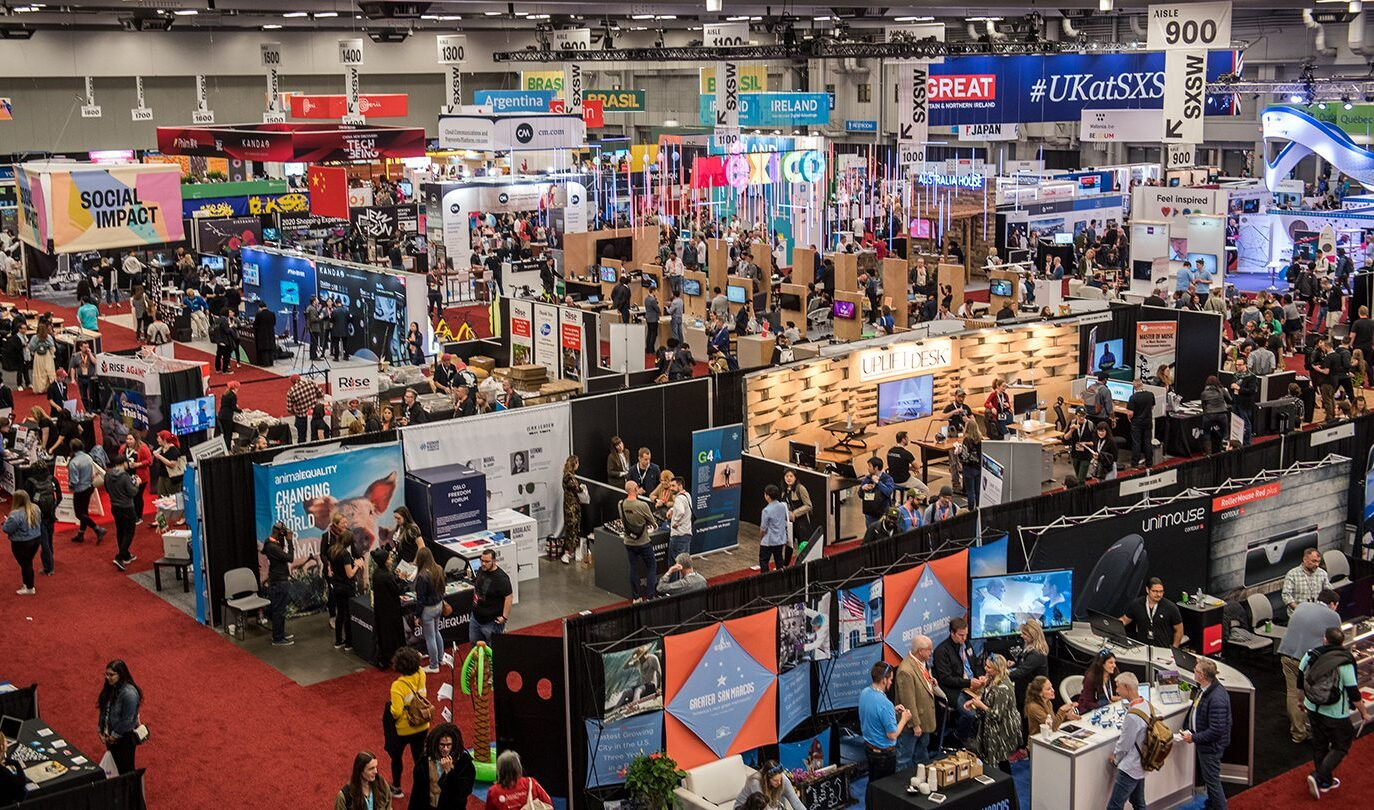
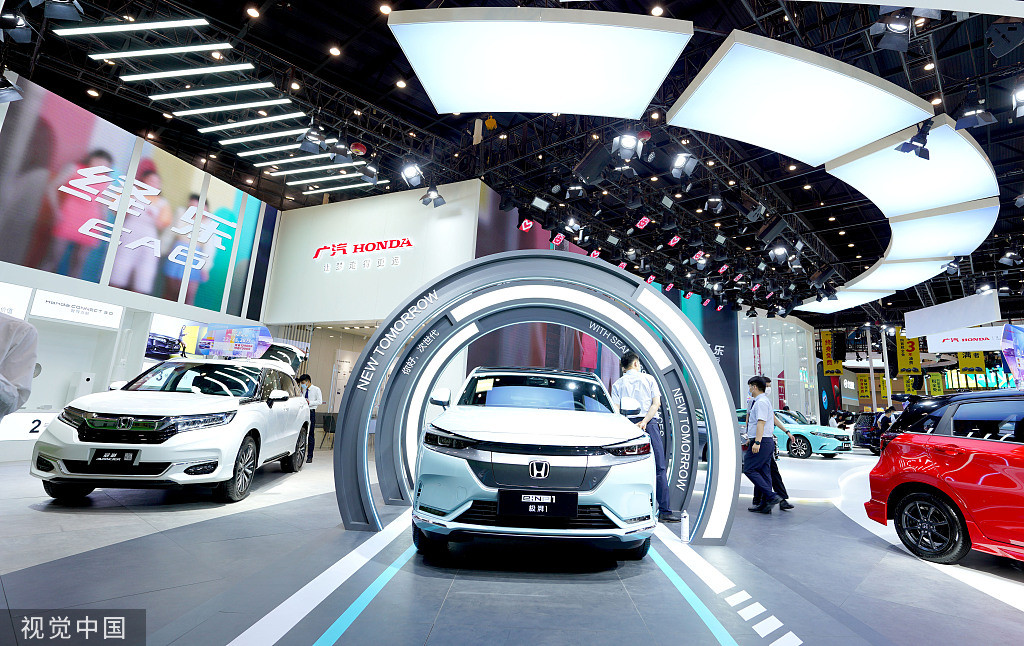
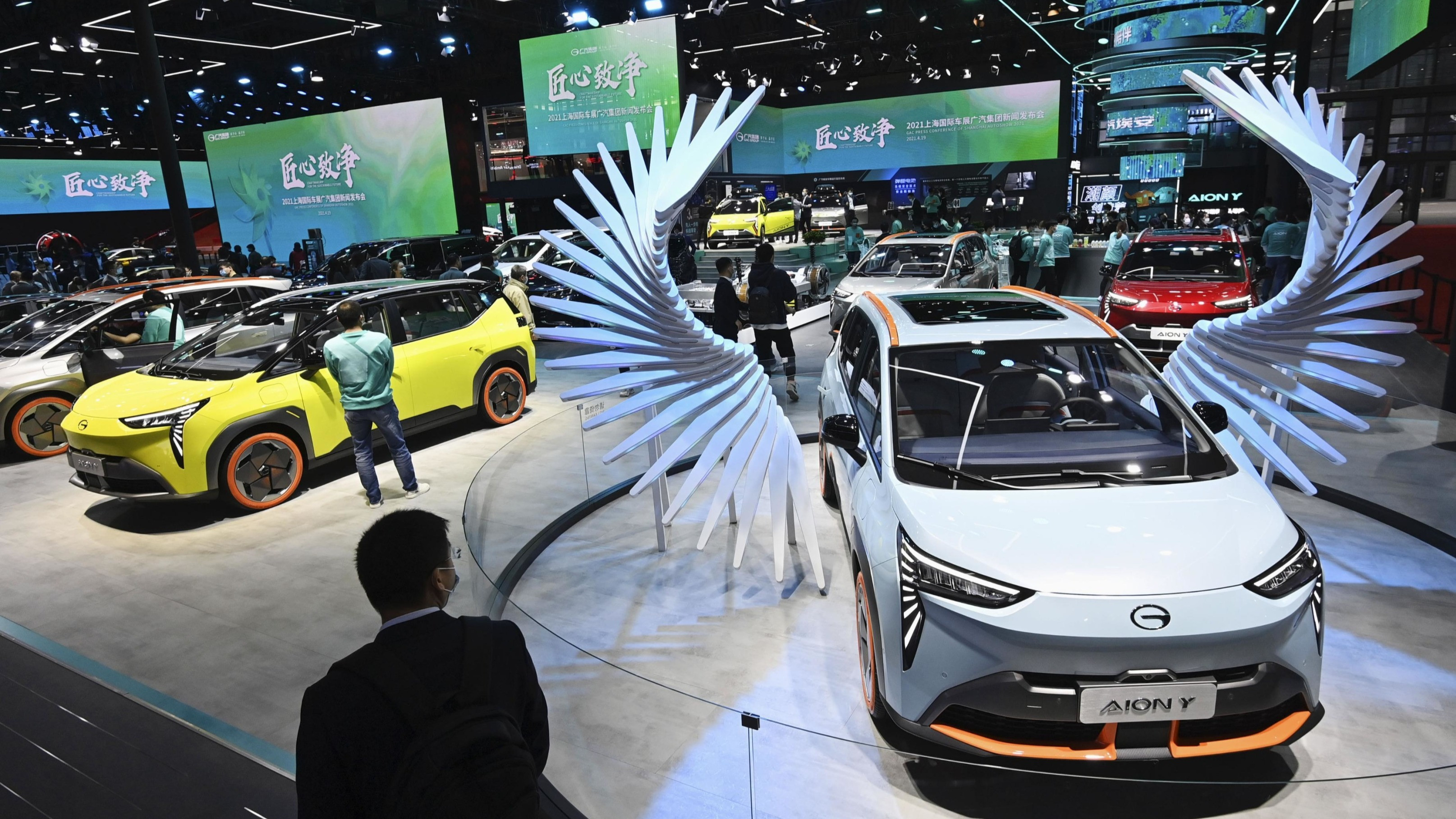
Selecting the right venue and designing an effective layout are crucial for an exhibition's success. The management team must ensure the space not only fits the exhibition's size and technical requirements but also enhances the visitor's experience through intuitive navigation and engaging presentation of exhibits.
Exhibitor Coordination
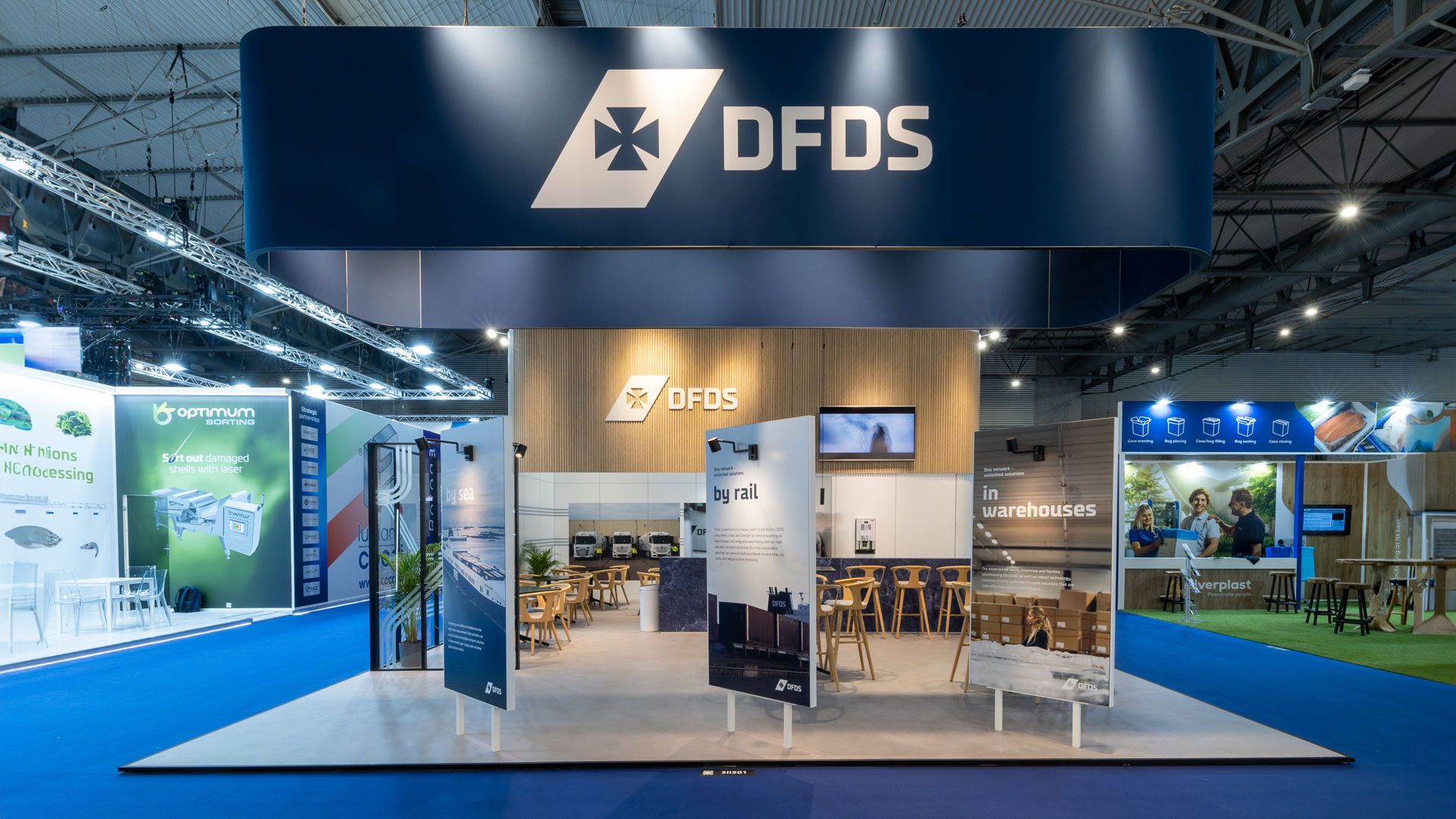
For trade shows and exhibitions involving multiple exhibitors, managing relationships and logistics for each exhibitor is essential. This includes allocating booth space, managing setup and teardown schedules, and providing support for technical needs and other requests.
Marketing and Promotion
A comprehensive marketing strategy is vital to attract attendees and generate interest in the exhibition. This involves identifying and reaching out to the target audience through various channels, including digital marketing, social media, public relations, and traditional advertising.
Operational Logistics
Exhibition management includes detailed logistics planning, encompassing transportation, installation, security, and coordinating services such as catering and audio-visual support. Ensuring these elements run smoothly is key to the overall success of the event.
Programming and Content
Beyond the exhibits themselves, additional programming such as workshops, seminars, and networking events can add value to the exhibition. Managing this content requires scheduling, sourcing speakers or presenters, and integrating these activities into the overall exhibition plan.
Staffing
Recruiting, training, and managing staff to support various aspects of the exhibition, including customer service, security, and technical support, is another important aspect of exhibition management.
Evaluation and Follow-up
After the exhibition, management teams assess the event's success against its objectives, gathering feedback from attendees, exhibitors, and staff. This evaluation informs future exhibition planning and helps identify areas for improvement.
Exhibition management is a dynamic and challenging field that requires strong organizational skills, attention to detail, and the ability to manage multiple moving parts simultaneously. Successful exhibition management results in engaging and effective events that meet the needs of all stakeholders, including organizers, exhibitors, sponsors, and attendees.
Add New Comment