Exhibition Management Checklist
Using an exhibition management checklist will provide you with a standard format you can follow and reuse for all your exhibitions going forward.
An exhibition management checklist along with an all-in-one exhibition management software, tools, and resources are the best ways to ensure you don’t inadvertently miss a step. Which is easy to do when you’re planning and executing an exhibition with many simultaneous moving parts.
1. Decide on an Event Budget
Every business venture must have a budget and it must be followed if you want it to be successful. Exhibitions are expensive. Therefore, detailed tracking of both your income and expenses is critical.
It’s also important that you take a daily accounting of your budget and share it with your shareholders and other sponsors.
So, make a budget and stick to it.
2. Select an Engaging and Memorable Theme
The theme of your exhibition is what will set the foundation for everything else you do. You need a cohesive theme and should incorporate it into every aspect of your exhibition. Your theme is what will make your exhibition exciting, engaging, and memorable. And if you can do all that, you’ve got yourself a winner.
A good way to select a winning event theme is to think about all the themed events, tradeshows, exhibitions, and parties you’ve attended over the years. Then think about which ones you enjoyed the most and why.
You can then take those aspects of your favorite event and use them to make your exhibition a success. You can also do a Google, YouTube, Instagram, Facebook, or TikTok search for inspiration. Then think outside the box and come up with something unique of your own when developing your exhibition’s branding guidelines.
3. Select an Exhibition Venue
You must select a venue with a good location. Your location needs to be convenient and centrally located. It also needs to have enough interior space, parking, ambiance, and essential amenities and services.
Get this wrong and no one will come. Get this right and it’s an exhibition no one will ever forget!
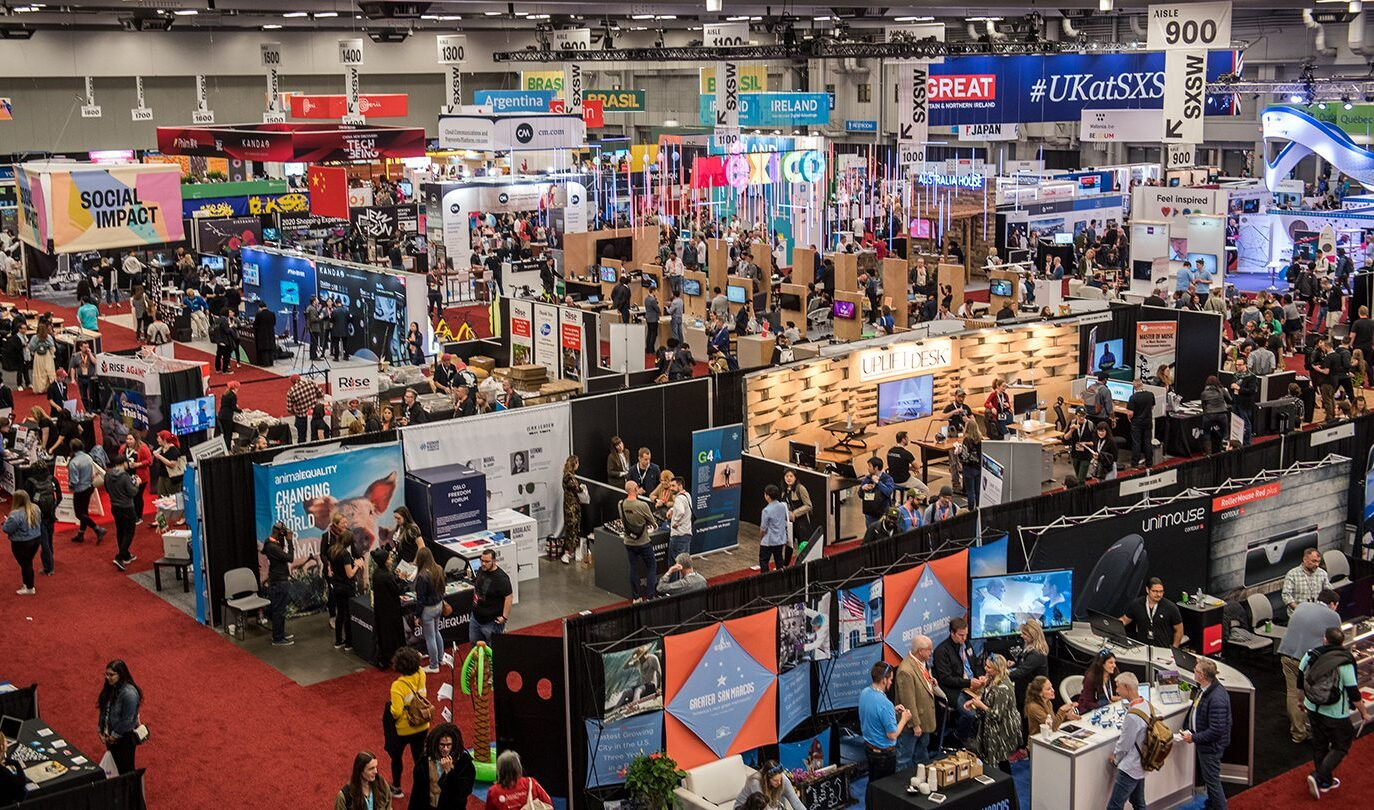
4. Design the Exhibit Floor Plan
Designing your exhibit floor plan is like building a custom house. A one-size-fits-all approach is rarely successful. Your exhibit floor plan must be tailored to meet the specific needs and objectives of your client and attendees.
Think about where and how each exhibit needs to be placed and set up. And don’t forget to design your exhibit floor plan with the attendee flow in mind.
Many exhibition and tradeshow software programs have a solution that will help you develop the best possible working flow for your exhibition.
5. Create the Event Schedule
It’s important to follow a structured schedule. Consider including the following:
- Event duration.
- Make a list of scheduled activities and include how much time each person, group, or activity will be allocated. Don’t forget to schedule some free time for networking, etc.
- Choose a time management system. Time chunking (30-minute intervals or the like) sometimes makes things more manageable.
- Visualize schedule visibility. Will you have a website, exhibition app, ads, etc.? Then visualize how you want your event schedule to look and how it will work.
- Think about the human experience. People will need regular bathroom and coffee breaks, as well as some time to decompress and mingle between activities.
6. Incorporate Interactive Experiences
You want to actively engage your attendees. That means you will need interactive elements such as demos, workshops, and other hands-on elements.
7. Begin Pre-Exhibition Promotion
Start your pre-exhibition promotions 90-180 days in advance depending on the size and extent of your exhibition. Then you can start more vigorous promotions the closer you get to your exhibition.
Think about your attendee demographics, what their interests are, where do they spend their time, and what marketing channels they are most influenced by.
Then include why your exhibition is perfect for them and their professional goals, etc.
8. Organize Exhibitor Packages
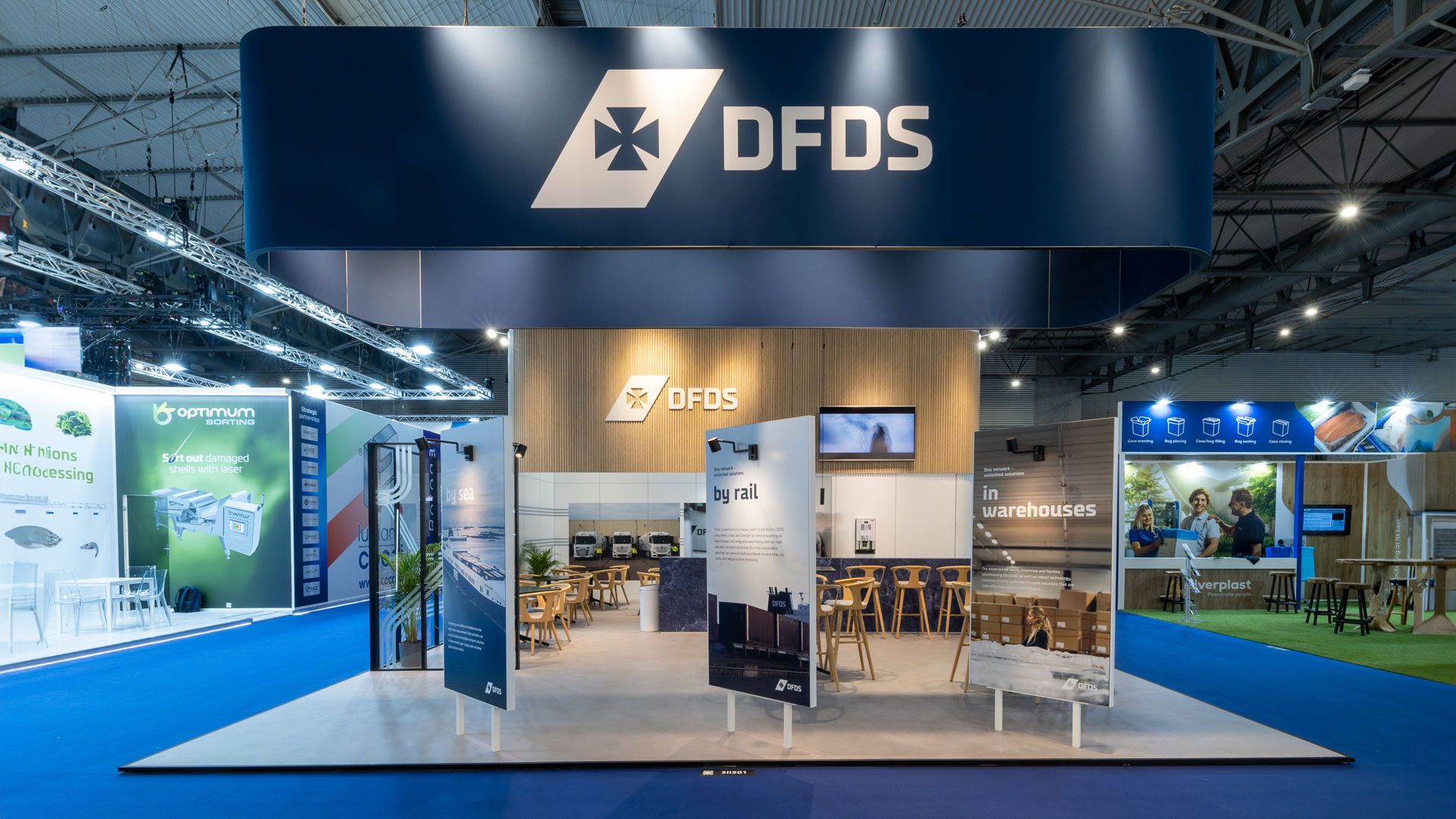
Determine what to include in your exhibitor packages. You could include exhibition positions, personalized booths, chairs, standard electrical power, access to Wi-Fi, large table space, admission tickets, etc.
Customize your exhibitor packages to meet your attendees’ specific needs.
9. Marketing & Selling Exhibition Spaces & Tickets
Based on your target audience set a competitive price. Then create a compelling exhibition pitch. Clearly outline the benefits of your exhibition. These things will help you promote your exhibition and increase your chances of success.
Then you will need to market your exhibition by posting on your social media pages to build anticipation for the event.
You could also incorporate paid media, email marketing, develop attention-grabbing landing pages, and anything else that makes sense for your specific audience.
10. Manage the Logistics of the Exhibition
How well you organize and manage the behind-the-scenes logistics of your exhibition will determine how smoothly it goes — or not. Make sure you effectively coordinate all the utilities, insurance, deliveries, installations, and anything else you have planned.
11. Measure for Event Success
If you don’t measure event success, you won’t have any way to determine what worked, what didn’t, and what could be changed or eliminated for future exhibition success.
You can measure your event goal success by counting the number of tickets sold and how many check-ins you had. Perform post-exhibition surveys, check the social media buzz about your event, and how much revenue was generated.
It’s also a good idea to do sponsor satisfaction surveys, tally your post-event sales, and follow up on any other data associated with your exhibition. Then for your future exhibitions improve on what worked and throw out what didn’t.
PRO TIP: Continually monitor and adjust your budget. Tracking your expenses is critical to your success and reputation. Shareholders and funding partners should always be kept in the loop.
12. Team Training
It’s important to take the time to train your exhibition team. Give the entire team exhibition goals and plans. Then practice role-playing, run-throughs, and demonstrations to identify potential pitfalls and overcome hurdles.
It’s also a good idea to develop a list of common questions the attendees might ask. This will help ensure the staff is well-versed in providing cohesive, coordinated answers. And this will make for a better attendee experience.
Add New Comment